Posts
Breaking Down Cyber Threats: Malware, Attacks, and How to Fight Back
The Threat of Viruses, Malicious Code, and Virus Hoaxes
In today’s hyperconnected digital world, cyber threats lurk around every corner, evolving in complexity and scale. Malicious software—ranging from viruses and worms to ransomware and botnets—poses a constant danger to individuals, businesses, and even nation-states. These threats can cripple entire systems, compromise sensitive data, and disrupt critical infrastructure.
Beyond the tangible dangers of malware, another insidious threat exists: misinformation in the form of virus hoaxes. Deceptive warnings about nonexistent threats spread rapidly through emails, social media, and online forums, exploiting fear and uncertainty. These hoaxes waste valuable resources, cause unnecessary panic, and can even lead users to take actions that harm their own systems.
As cyber threats continue to evolve, understanding the nature of malicious code and the psychological tactics behind virus hoaxes is essential for staying protected. In this article, we’ll explore how these threats operate, their real-world impacts, and the best strategies to defend against them.
Viruses: The Digital Parasites
Viruses are malicious software that attach themselves to files or programs, spreading like wildfire when executed. Once inside, they corrupt, modify, or delete data, causing system failures and productivity losses. Remember the infamous ILOVEYOU virus? It spread via email and caused billions in damages.
Malicious Code: More Than Just Viruses
Malicious code isn’t just about viruses. It includes worms, ransomware, and spyware—all designed to exploit system vulnerabilities. Unlike viruses, worms spread on their own. Take WannaCry, for example—it encrypted files worldwide, demanding ransom from hospitals, businesses, and governments.
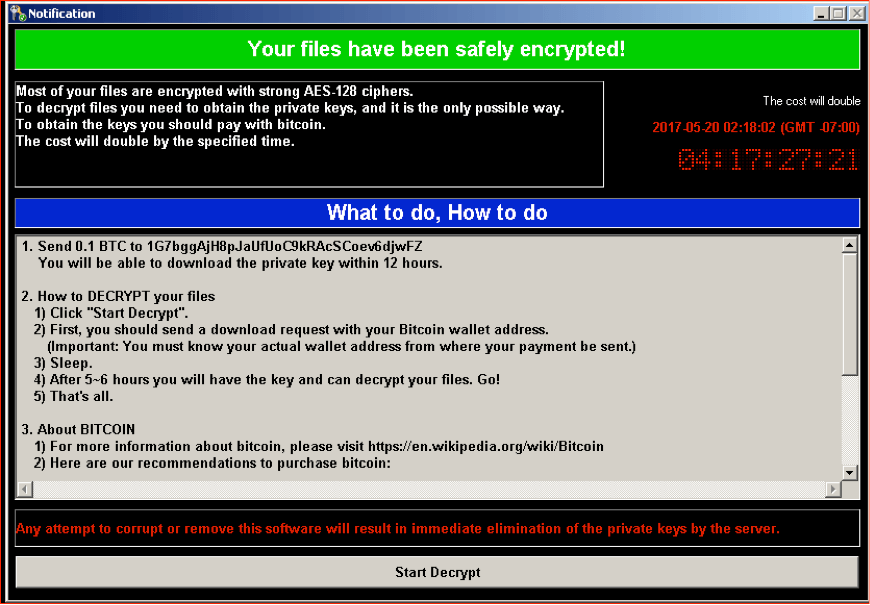 Source: Fortinet - WannaCry: Evolving History from Beta to 2.0
Virus Hoaxes: Fear as a Weapon
Sometimes, the biggest threat isn’t even real. Virus hoaxes spread misinformation, tricking users into taking unnecessary actions. The “Good Times” hoax, for example, falsely claimed that opening an email could fry a hard drive. While not technically malware, hoaxes waste time, trigger unnecessary IT responses and spread fear.
Denial-of-Service Attacks and Blended Threats
DDoS Attacks: Overloading Systems
DDoS (Distributed Denial-of-Service) attacks use botnets to flood a target with traffic, shutting it down. Attackers use DDoS for extortion, political disruption, or as a smokescreen for deeper cyber intrusions. A prime example? The Mirai botnet took down major internet services like Twitter and Netflix in 2016.
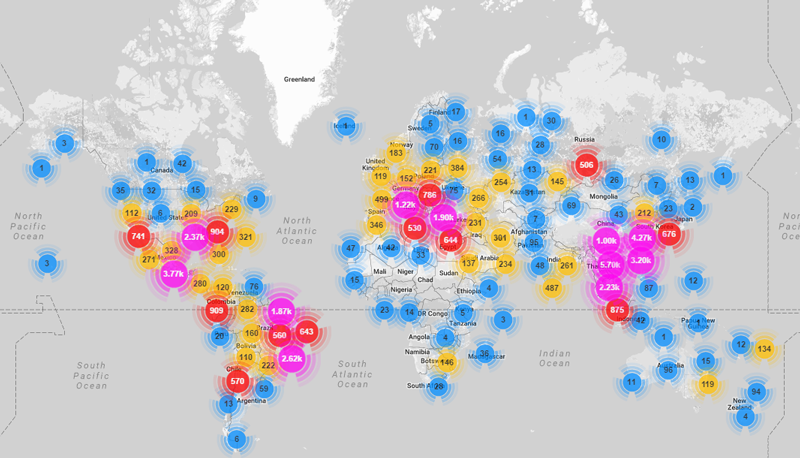 Source: Imperva - Breaking Down Mirai: An IoT DDoS Botnet Analysis
Blended Threats: The Perfect Storm
Some attacks don’t play fair—they mix techniques to maximize damage. Blended threats combine malware, phishing, and network exploits to evade defenses. Take NotPetya, which spread through a software update, deploying ransomware and wiper malware, crippling global supply chains.
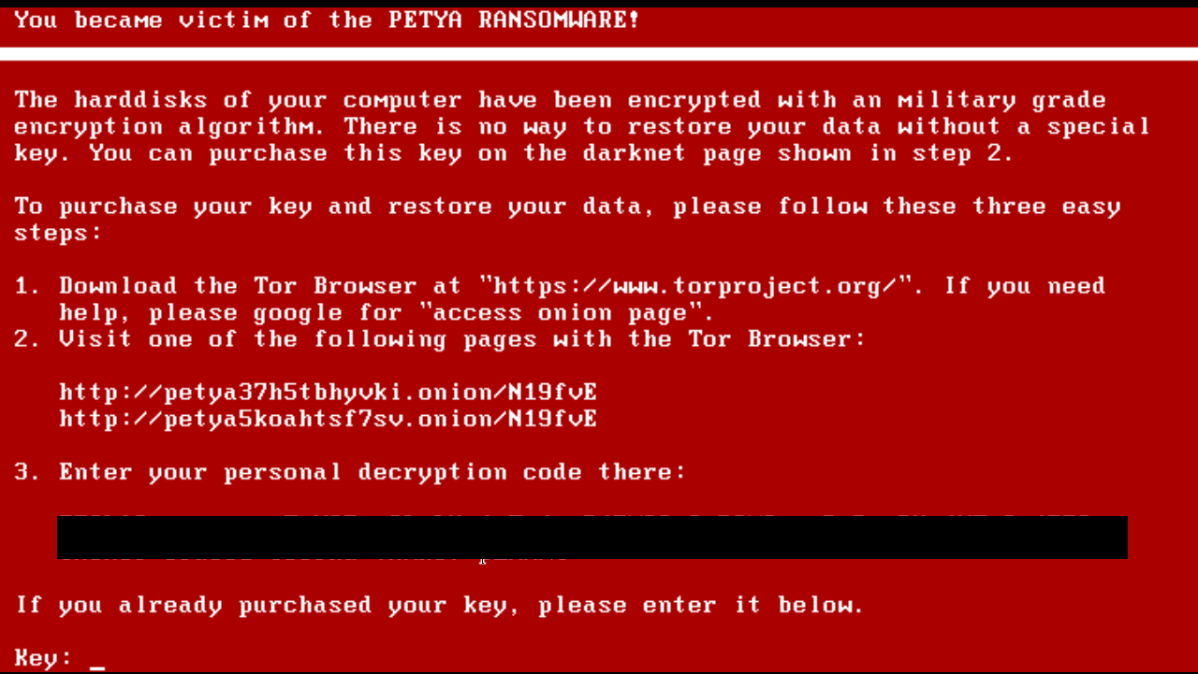 Source: HYPR - Five Facts to Know About History’s Most Destructive Cyberattack
Defense Strategies
- DDoS Mitigation: Firewalls, traffic analysis, and cloud-based DDoS protection.
- Blended Threats: Endpoint protection, intrusion detection, and network segmentation.
Trojan Horses: The Silent Intruders
Trojan horses disguise themselves as legitimate software but pack a nasty surprise. Unlike viruses, they don’t self-replicate but operate stealthily, opening backdoors, logging keystrokes, or stealing data.
Notorious Trojans
- Zeus Trojan (2007): Stole banking credentials via phishing emails.
- Emotet: Started as a banking Trojan but evolved into a malware delivery powerhouse.
How to Stay Safe
- Never trust unsolicited downloads.
- Use behavioral-based detection tools.
- Educate users on phishing tactics.
Threat Vectors and How to Mitigate Them
1. Phishing: The Art of Deception
Phishing attacks use emails, fake websites, and messages to trick users into revealing sensitive info. One infamous case? The 2016 DNC hack, where a phishing campaign led to a major political breach.
Defense
✅ Email filtering
✅ Security awareness training
✅ Multi-factor authentication (MFA)
2. Insider Threats: The Danger Within
Insider threats come in two flavors—malicious (data theft, sabotage) and negligent (poor security practices). Think Edward Snowden, who leaked NSA documents.
Defense
✅ Least privilege access
✅ Continuous monitoring & analytics
✅ Strict data handling policies
Final Thoughts
Cyber threats are evolving, but so are our defenses. Whether it’s DDoS, malware, or phishing, staying ahead means combining automation, AI, and best practices to secure our systems. If you’re serious about cybersecurity, let’s keep the conversation going—because protecting the digital world is a team effort.
Got thoughts? Drop a comment or connect with me. Let’s secure the future together.
Thanks for reading,
Michael
If you enjoy the content, then consider buying me a coffee.
P.S. Stay updated on the latest cybersecurity trends and best practices by subscribing to our newsletter or leaving your thoughts in the comments below! Visit CyberSHIELD
References
Akbanov, Maxat, et al. “WannaCry Ransomware: Analysis of Infection, Persistence, Recovery Prevention, and Propagation Mechanisms.” Journal of Telecommunications & Information Technology, Apr. 2024, pp. 64–75. EBSCOhost.
Sánchez-del-Vas, Rocío, and Jorge Tuñón-Navarro. “Hoaxes’ Anatomy: Analysis of Disinformation during the Coronavirus Pandemic in Europe (2020-2022).” Communication & Society, vol. 37, no. 4, Oct. 2024, pp. 1–19. EBSCOhost.
Alam Rahmatulloh, et al. “Identification of Mirai Botnet in IoT Environment through Denial-of-Service Attacks for Early Warning System.” JOIV: International Journal on Informatics Visualization, vol. 6, no. 3, Sept. 2022, pp. 623–28.
Wan, Katherine S. “Notpetya, Not Warfare: Rethinking the Insurance War Exclusion in the Context of International Cyberattacks.” Washington Law Review, vol. 95, no. 3, Oct. 2020, pp. 1995–1620.
Szabó, Csaba. “Europol’s Role in the Fight against Cybercrime.” Belügyi Szemle / Academic Journal of Internal Affairs, vol. 72, no. 9, Sept. 2024, pp. 1707–14.
Rosenberg, Daniel. “Seizing the Means of Disruption: International Jurisdiction and Human Rights in the Expanding Frontier of Cyberspace.” New York University Journal of International Law & Politics, vol. 55, no. 1, Jan. 2023, pp. 125–64.
Wescott, Clay G. “Dark Mirror: Edward Snowden and the American Surveillance State.” Governance, vol. 33, no. 4, Oct. 2020, pp. 976–79.